Global Industry News

Revolutionizing Health Care with Ambulatory Infusion Pumps in North America

The North American ambulatory infusion pumps market is driven by the rising occurrence of chronic illnesses, growing elderly populace, growing diabetic populace, and growing demand for ambulatory services, and also the market is projected to reach 1,989.8 million by 2030.

Ambulatory Service Demand Rising Rapidly

The increasing elderly populace and growing stress on healthcare establishments due to the growing count of patients afflicted with all types of illnesses are significantly boosting the popularity of ambulatory facilities in the continent. This is also credited to the less prices of such services and their higher suitability compared to orthodox hospital facilities.

Therefore, the number of ambulatory surgical centers in the U.S. has significantly amplified in the last few years. The adoption of ASCs can also be ascribed to the quicker recovery, lesser infection danger, shorter stays, and innovative technologies they provide.

The U.S. has a huge share, of more than 90%, because of the obtainability of key companies, rising occurrence of chronic illnesses, developed healthcare infrastructure, and promising reimbursement plans. Moreover, the growth in the count of healthcare locations and the availability of home infusion services drive the industry's growth.

What is an Ambulatory Infusion Pump (AIP)? 

An Ambulatory Infusion Pump (AIP) is a compact battery-energized pump that gradually puts drugs, like antibiotics or chemotherapy, into your body. The pump gives you the drug for the period set by your doctor.

The Benefits of Ambulatory Infusion Pumps

Patients with a lengthy or chronic disease help from ambulatory pumps as they eliminate limits that keep them confined. Ambulatory pumps let hospitalized people do self-care tasks, exercise, and walk to diverse areas of the facility for healthcare facilities, a change of scene, or while spending time with visitors.

Similarly valued for home care locations, ambulatory infusion devices aid in fighting patient depression and other mental health problems related to chronic health problems. For elder adults, mobile pumps can play a very important role in upholding independence, whether elderly in place or an aided living or residential care setting.

These devices are quite light in weight this ability allows them to be clipped to clothing or worn in a dedicated pouch, making them perfect for non-hospitalized patients who can contribute to daily activities but still need routine doses of IV medicines, such as insulin.

Ambulatory pumps help patients between buildings, floors, or facilities much simpler for nurses and other healthcare workers. The pump and medicine can simply travel with the patient without disturbing the current programming or requiring scheduled transport around infusions.

What Are Stationary Infusion Pumps?

Stationary infusion pumps are mainly Utilized bedside for patients with intricate medicinal requirements, needing frequent medication delivery. Though they’re sometimes utilized in-home care, they're most common in hospitals, particularly critical care settings, and long-term care amenities with mostly incapacitated residents.

Hence, the rising occurrence of chronic illnesses, growing elderly populace, growing diabetic populace, and growing demand for ambulatory service are the major factor propelling the market.

Share:

Why is Secondary Packaging Changing the Pharmaceutical industry?

Secondary packaging is the external packaging of the primary packaging that packages and protects or labels the drug. This blog will lay emphasis on secondary packaging and the significance of selecting a supplier, well equipped for handling a product’s exclusive and tailored packaging requirements.  

Secondary packaging is important for numerous reasons, as well as physical and protection of barriers, secondary containment, observance to guidelines, and patient safety.

Request for sample pages of this report: https://bit.ly/3rqZj9A

Common sorts of secondary packaging comprise trays, cartons, and film bundles. Though secondary packaging can undertake numerous forms, it will continuously comprise a packaging level within it. Characteristically, the level of packing a customer will see first is secondary packaging; this brands the advent of secondary packaging pretty significant.

Secondary packaging for clinical trials can numerous forms, contingent on the main package it will house. One primary package used in the pharma industry is called a blister strip.  These are fundamentally two coats of material sealed with a cavity amid the product layers. 

Additional instance of secondary packaging put to use in both clinical trials and a carton. Folding cartons such as shipping cases are made of moderately thin paperboard rather than cardboard. 

Folding cartons can contain numerous diverse primary packages. Cartons can have vials, blisters, bottles, or any form of primary packaging that will fit inside. Cartons are helpful for clinical work as they can be reproduced on while in-procedure, they can be labelled, and they will characteristically resemble the final profitable packaging configuration as per the client. 

For the similar reasons, cartons are likewise inordinate for commercial packaging. Artwork can easily be pre-printed on cartons, making them a prevalent choice for nearly all secondary packaging uses.  

Secondary packaging has a big role to play in display, distribution, and branding. Throughout distribution, these packages protect the main packages and the product. 

This kind of packaging produces a buffer, shielding primary packages from one another. It lets for a shipping case to be completely filled, so products do not shift throughout shipment. The geometric nature of cartons lets for the tertiary package to be close-fitting fit. 

Cartons are likewise easier to deal with than vials, so packing or emptying of shipping containers can be done a lot more smoothly than the one with no secondary packaging.

Although a key benefit of secondary packaging is transportation, it has an important role to play daily, mainly, the protection of the primary package and product. 

Because secondary packages are frequently handled by customers, they must guard the product when consumer mistreats the package. When a glass vial is kept in a folding carton, it significantly diminishes the chance that the key package or product will be damaged.

Cartons also have a key impact on branding and product display.  Making use of a vial and carton formation as an instance, the carton is the slightest sellable unit. This means the procurer will see the box and not essentially see the vial. 

It is because of the increasing production of drugs, the demand for biologics CDMO secondary packaging, the demand for the same will reach a value of USD 3,622.6 million by the end of this decade.

Share:

How do Medical Power Supplies Help Protect Patients and Hospital Staff?

In medical technology, the safety of hospital staff and patients has a top priority. Because of this, medical power supplies are subject to stringent needs regarding safety, dependability, and EMC. In this blog, you will find out how medicinal technology can advantage of the experience added in machine building and system making.

Power supplies have to change voltage as securely and professionally as possible while guaranteeing smooth operation over many years and in the smallest of spaces. Although this is a principle that applies to medicinal technology and machine building alike, it is the industrial engineering sections where standard power supplies that fulfill such needs are much more widespread. Ultimately, this means that medical equipment makers are commonly dependent on a customised rack or panel-mount power supplies.

Medicinal applications in building technology, hospital technology, imaging diagnostics, and laboratory technology in particular stand to benefit from high industrial standards and fast obtainability when it comes to energy supplies.

The global medical power supply market is witnessing growth and is projected to reach USD 2,394.5 million by 2030.

Types of Medical Power Supplies

Power supplies are segmented by the mechanism utilized to alter and transfer the input energy to the output power. For medical power supplies, there are two main segmentations:

Linear power supplies accept AC inputs and deliver one or more than one DC output for an extensive range of industrial and computer applications. They utilize an active element (generally a power transistor) working in its linear region to produce an anticipated voltage. The output voltage is controlled by putting surplus input power in ohmic losses (heat) in a series dissipative component (resistor) or an electronic transistor. Linear power supplies offer very small ripple, excellent regulation, and very little output noise.

Switching power supplies utilize a switching component or regulator (generally a power transistor) to produce the suitable voltage. They are also known as switch-mode items or switching-mode power supplies (SMPSs). Such power supplies include electronic components that constantly switch OFF and ON at a very high frequency.

This switching action connects and detaches power-storing devices (capacitors or inductors) to and from the input source voltage or the output load. SMPS design outcomes in high electric density (smaller size for the same power output) and decreases power consumption (higher effectiveness) in comparison to linear power supplies.

Protection against Overheating

Extremely effective power supplies provide another benefit in that they permit passive convection cooling, something that has become the standard for energy supplies in machine building and system engineering. Given that a smaller amount of heat is produced in the power supply overall, it can degenerate from the unit through a cooling airflow and the aluminum housing. This means that the units do not need fans to eliminate the warm air – a feature that works across the entire power range.

The key drivers of the medical power supply industry include the growing occurrence of chronic illnesses, the rising demand for medical equipment, and the growing use of development tactics by top companies, such as product launches and collaborations.

Share:

Dentures are Too Much to be Overlooked as a Teeth Substitute

Are you one of those old blokes who have their teeth fallen or decayed with age, or a person who met with an accident or got your teeth damaged or lost. Well, which ever may be the case, if you want to get your teeth restored, it is possible with the contemporary dentures. There has been a lot of evolvements in dental science, and now you don’t have to be content with the dentures, that your grandfather used to wear.

This blog will talk about the different types of dentures, and what they can do for you.

First let us discuss about, what exactly are Dentures?

These are removable devices, coming in handy for replacing missing or decaying teeth. Many have got the wrong info that dentures won’t look like original teeth. Though, the truth is very much different, modern dentures just look and feel like the original teeth.

Look and Feel of the Modern Dentures

Modern dentures, apart from looking just as the normal teeth help you perform routine activities, such as eating, speaking, and chewing without hassle, also restoring the beautiful smile. They can come in handy for those who don’t  have sufficient natural teeth. They can help protect the remaining teeth from any cracks or damage. If properly maintained, dentures can serve for a lifetime.

Different Types of Dentures Available

Removable Full Dentures

These can easily fit in your mouth and taken out, when they are done doing their duty for the day or just for usual maintenance, such as cleaning. Though, there can be a chance for you to experience bone loss in the jaw area if your teeth are removed, in order to fit in removable dentures. 

If and when this happens, it can be tad hard for you to naturally fit the dentures in your mouth, but worry not, a dentist can always come to the rescue.

Partial Dentures

Choosing partial dentures is just fine, if a few missing or decayed teeth are to be put back in place, alone with the remaining natural teeth can play a supportive role for these dentures. These are good enough to bridge the gaps in the remaining teeth.

Implant Supported Dentures

These are perhaps the most-advanced version of dentures going around. Titanium-made dental implants are surgically implanted into the jawbone for keeping the dentures intact. 

Implant supported dentures are a permanent solution for decayed or lost teeth. Also, there is absolutely no risk of bone loss as you wear them, neither there is a need for realignments or any sort of adhesives, for preventing them to stay in their place.

You can choose the most suitable dentures as per your requirement and budget, and most importantly after consulting an ace dentist.

These are some common types of dentures going around the world. With the growing elderly population, and increasing number of dental problems, the demand for restorative dentistry is booming, and the total value of the industry is set to reach USD 25, 608 million by 2030.

Share:

North America is Dominating Molecular Quality Controls Market

In 2022, the molecular quality controls market was worth around USD 191.2 million, and it is projected to advance at a 6.4% CAGR from 2022 to 2030, hitting USD 313.7 million in 2030.

This growth can be ascribed to the rising need for external quality assessment provision, the increasing number of qualified clinical labs, the rising government investment for genomics ventures, the snowballing utilization of third-party quality controls, the rising requirement for accurate medicines, the declining price of the sequencing process and hereditary illnesses.

In 2022, the independent controls category led the industry, with the largest revenue share, of approximately 40%, based on product type.

This can be credited to the fact the that they are made independently of reagents, calibrators, and instruments, and tests have the extreme sensitivity rate because of their tremendously unbiased, independent, and sensitivity assessment of a testing system's or technique's performance.

In 2022, North America generated the highest revenue, at approximately 45%. This is because of the high integration of advanced infrastructure, the better number of diagnostic amenities, and the amplified number of authorized clinical labs in the continent.

The second-largest revenue contributor, in the market, is Europe, worldwide. This is mainly because of the snowballing number of cancer research and related biomarkers and the increasing occurrence of cancer.

Hence, the rising need for external quality assessment provision, the increasing number of qualified clinical labs, the rising government investment for genomics ventures, the snowballing utilization of third-party quality controls, the rising requirement for accurate medicines, are the major factors propelling the market.

Share:

Cardiac Safety Services Industry Has a Considerable Revenue Share in Europe

The cardiac safety services industry will grow at a compound annual growth rate of 11.5% by the end of this decade, to touch a value of USD 1,792 million by 2030.

This growth of the industry is due to the fact that these services provide assistance in supporting and designing clinical trials and other researches needed to monitor cardiac health and are emphasized on monitoring a wide-ranging cardiac protection profile across diverse phases of clinical testing.

With the increasing ill heart health, related to a sedentary lifestyle and unnatural eating habits, numerous health education campaigns and programs are initiated for improving consciousness regarding heart diseases.

The cardiac safety services market in the Europe had considerable revenue share in the past, and it will grow at a rate of around 11.4% in the years to come. 

This is mostly credited to the advanced healthcare infra and high healthcare investment. For example, Germany, the U.K., France, and Switzerland, have an advanced healthcare industry, as a result of which new tech and diagnostic procedures are more often used in the Western part of Europe. 

Further, the rapidly increasing percentage of an aging population and the increasing life expectancy in central and eastern European countries are driving the demand for healthcare solutions.

Increasing healthcare investments happening all over the world has a positive impact on the demand for cardiac safety services, and this trend will continue in the years to come as well.

Share:

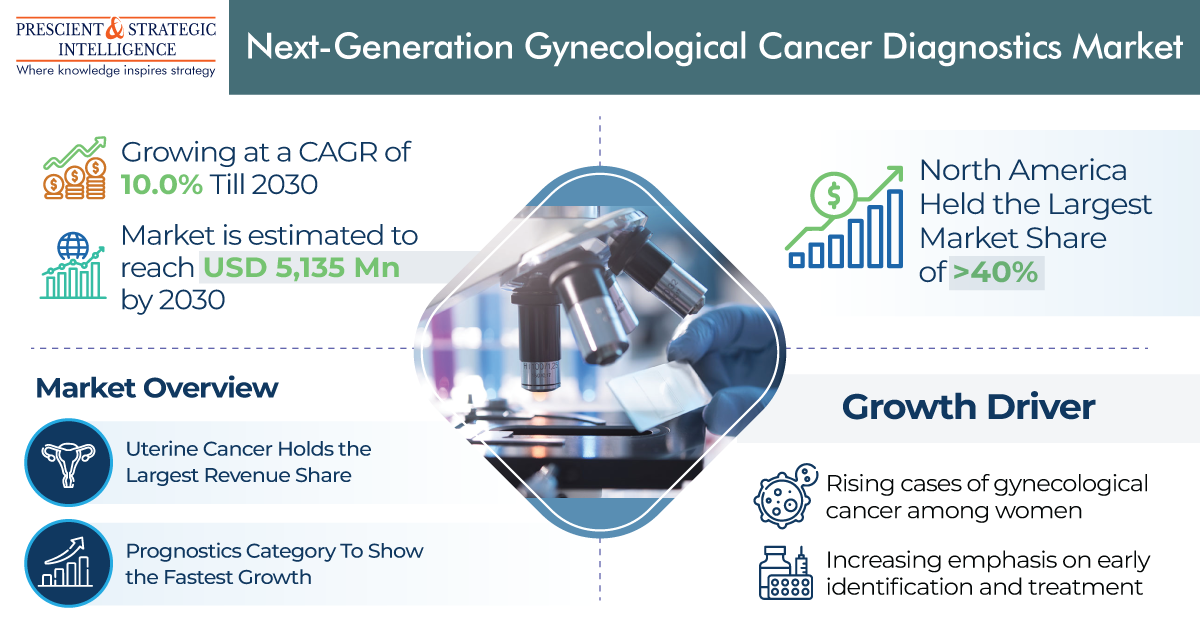
How is Next Generation Sequencing (NGS) Technology Applied in Gynecological Cancer Diagnostics?

The field of next-generation gynecological cancer diagnostics is experiencing continuous growth due to various factors such as the rising incidence of diabetes, increasing prevalence of gynecological malignancies, obesity in women, lifestyle changes, and menopause problems.

Advancements in sequencing technologies have empowered researchers and clinicians to gain insights into underlying mutations associated with gynecological cancers, leading to the discovery of biomarkers that guide targeted therapeutic decisions.

These diagnostic tests also enable early detection of cancers and other diseases, as well as accurate prognosis, which contributes to the future growth of the next-generation gynecological cancer diagnostics sector.

Uterine, cervical, and ovarian cancers are the most common gynecological cancer types in females globally. These cancers result from acquired and inherited mutations, epigenetic factors, genomic aberrations, transcriptional aberrations, or a combination of these factors. A comprehensive understanding of genomics, molecular substructure, and gynecologic cancers is essential to develop effective biomarkers for detection, prevention, molecular profiling, and personalized treatment strategies.

Next-generation gynecological cancer diagnostics play an important role in controlling, preventing, and investigating cancerous diseases.

Uses Case of Next-Generation Gynecological Cancer Diagnostics

Next-generation gynecological cancer diagnostics are used for the detection of various cancers, including ovarian, uterine, vulvar, cervical, and vaginal cancer.

Among these, the utilization of these diagnostics for uterine cancer is particularly high and continuously increasing. This is due to the rising global incidence of uterine cancer, driven by factors such as increased menopause issues after age 55, higher prevalence of high blood sugar levels and blood pressure, the aging female population, rising rates of obesity and overweight, and elevated estrogen levels.

Furthermore, the utilization of these diagnostics for cervical cancer is expected to increase in the future, considering the growing prevalence of cervical malignancies in women worldwide.

Application of Next-Generation Sequencing (NGS) Technology

Next-generation gynecological cancer diagnostics employ technologies such as polymerase chain reaction (PCR), next-generation sequencing (NGS), and DNA microarrays.

NGS technology is particularly prominent in this field, as it can identify actionable genetic alterations that can be targeted with therapy. NGS demonstrates a 33.4% chance of identifying gynecologic cancers and exhibits a high clinical action rate. The clinical utility of NGS has also been shown to improve survival in individuals who receive targeted treatment.

Additionally, NGS plays an important role in tumor analysis and has greatly facilitated the molecular profiling of solid tumors.

DNA microarrays technology is also increasingly utilized in this context. These microarrays provide a powerful and advanced approach to studying the molecular basis of relationships on a scale that conventional methods cannot achieve.

Furthermore, they enable the simultaneous assessment of the expression of thousands of genes, leading to the development of rationale approaches for therapy, as well as advancements in gynecological cancer diagnosis and prognosis. As a result, DNA microarrays find wide application in hospitals and diagnostic laboratories.

Hence, with the advancements of technology in healthcare, developing infrastructure of healthcare, implementing advanced and rapid diagnosis of diseases, and mounting investment by both domestic and foreign businesses across Asian countries, the demand for next-generation gynecological cancer diagnostics will continue to increase, and it will reach a value of USD 5,135 million by the end of this decade.

Share:

How Are Genomics Research Projects Driving Microfluidic Devices Demand?

The microfluidic devices market will reach USD 59,785.3 million, advancing at a 17.3% compound annual growth rate, by 2030.

To learn more about this report: https://bit.ly/3OYmHDh

The growth of the industry is attributed to the increasing technological advancements pace and the extension of genomic and proteomic research. Various commercial applications and scientific activities can benefit from methods that allow swift and cheap experiments with a high sensitivity level.

With the advancements in the field of biotechnology recently, several microfluidic technology applications have been identified, such as drug discovery, next-generation sequencing, point-of-care diagnostics, biomarker analysis, and cell analysis. Businesses are developing enhanced devices for numerous applications that have a smaller size, a lesser cost, and a higher sensitivity & speed.

In recent years, North America accounted for the largest industry share, and it will remain the largest in the years to come. This is because of the speedy acceptance of advanced technologies by the major users in the region. In addition, the increasing research & development activities and the existence of key players will boost the growth of the industry, particularly in the U.S.

China is one of the fastest-growing microfluidic devices industry in APAC because of the growing government investment and developing facilities of healthcare. Therefore, the APAC microfluidic devices industry will arise as an attractive industry for businesses producing such medical instruments.

Whereas, the Europe industry is driven by the growing requirements for diagnosis, because of the enhancing facilities of healthcare and the increasing prevalence of illnesses; itself because of the elderly population and lifestyle changes.

It is because of the extensive analytical application and commercial prospects of these devices, as well as the growing life science sector, the microfluidic devices industry will continue to grow in the years to come.

Share:

How are Medical Devices and IVD Medical Devices Different from Each Other?

Medical devices and IVD medical devices have come in handy for saving the lives of the people with the help of state-of-the-art healthcare solutions for the finding out, treating, monitoring, predicting, or reducing the ill effects of a disease. 

Difference Between Medical Device and IVD medical Device

If we are to talk about the major difference between a medical device and an IVD medical device is that the latter are tests put to use on biological samples like, tissues, urine or blood to regulate the status of the health of a person.

IVD medical devices do not come in contact with a person.  These fulfil their role based on info that is offered by them and not on their action on the patient.  Although IVD devices do not bring about direct harm, they might pose risks if their usage brings about wrong diagnoses and puts people at increased risk of making irreversible medical decisions based on imprecise test results.

So, it is significant that IVD medical devices prove safety and efficiency through diagnostic and clinical validation.

To be precise, the IVD medical device is any medical device which is a reagent, instrument, apparatus, equipment, software or system, whether it is used alone or in combination with some other device, to be used for the inspection of specimens, as well as blood and tissue donations, derived from the human body.

There are more than 40,000 different IVD products available offering info to both patients and doctors regarding various medical conditions. These include tests for pregnancy, which are done on your own and tests for diabetics, to sophisticated diagnoses done in labs.

There are also some of the other IVD devices like HIV tests, human genetic testing devices, those used for blood grouping, or COVID tests.

IVD Medical Devices Make an Integral Part of Modern Healthcare

IVDs have become an integral part of modern healthcare since there are a lot of decisions, which are influenced by the results of the tests, done with the help of these devices. 

With allowing earlier and targeted treatments, IVDs reduce the duration of hospital stays for the people and also side-effects, which result in much improved health condition of the people, reduced costs of healthcare.

Coming to a Concrete Conclusion

In conclusion, it can be said that IVD medical devices guide users to the right healthcare professional and can reduce the time taken to get the final diagnosis, which is every so often related with expensive diagnostic procedures.  So, doctors can make faster and precise diagnostic decisions and consequently advance the path of the treatment of the patient and decrease the cost incurred in treatment.

There are increasing cases of blood disorders all over the world, and for the diagnosis of the same, there is a need for IVD tests to be performed. Due to this, the demand for IVD tests will continue to increase in the future also, and will reach a value of USD 127.4 billion, in another seven years from now.

Share:

How Automated Dispensing Machines Will Help in Increasing the Safety of Patients?

Every hospital tries its best to improve the safety of patients, and this thing can be done in many ways. Human errors in dispensing wrong medication can pose a serious threat to patient safety, and so in this blog, we will focus on the role of automated dispensing machines in improving the safety of patients.

Automated dispensing machines, are advanced decentralized medication distribution systems. They offer measured storage, dispensing, and tracking of pharma drugs, and are extensively used in hospitals.

Before automated dispensing machines came into existence, 24-hour dose carts were generally used in hospitals. These curtailed inventory losses since they only did a day’s worth of medication, but they were labour-intensive and not that efficient as well. 

They posed risks to patient safety by snowballing problems with missed doses and the borrowing of medications of the patients. New, automated ones are far more secure and efficient at the same time.

How They Increase Safety of the Patients?

Reducing Unfitting Use of High-Risk Medicines

Hospitals can make use of automated dispensing machines for keeping a track of the administration of risky medications. Every time a medic orders a dose, the machine asks numerous questions about its use, letting it to collect data on the subject. This can then be analyzed to see if medics are recommending possibly dangerous medications in a way that surges risks to patients.

Discards Unused Doses

Hospitals are busy, so it is not uncommon to see the happening of administrative errors. Doctors prescribe medications, as they are required which every now and then become difficult on floors using 24-hour dose carts. 

These automated dispensing machines let doctors to access patient medications given on an as-required basis when they are demanded and track of when patients get these important medicines to guarantee their providers are abiding best pharma practices.

Providing the Medications, as Soon as they are Available

First-dose accessibility was an issue with the old 24-hour dose carts. Patients had to wait till they received their medicines from a drugstore as opposed to getting them as soon as they were required. With the help of automated dispensing machines, hospitals can retain all often-used medications close at hand for instant access even throughout emergency state of affairs or after pharmacy hours.

Increasing the Focus of Patient Care

These machines reduce the workload for both healthcare providers and pharmacists. Accordingly, these specialists can give more time to directly take care for patients and executing supplementary safety initiatives.

Coming to a Concrete Conclusion

Automated dispensing machines are altering the method that hospital administrators think pertaining to medication stowage and dispensing. They advance patient safety, ease for doctors and pharmacists, and hospitals.

It is because of the increasing cases of medication errors happening all over the world, the demand for automated dispensing machines is on the rise, and the total value to touch USD 3,941.9 million, in the next seven years of so.

Share:

Endoscopic Submucosal Dissection Market had a Significant Share In Asia-Pacific

The endoscopic submucosal dissection market will USD 512.9 million by 2030, exhibiting a CAGR of 5.5% during the forecast period. This is ascribed to the increasing occurrence of diseases as well as use of endoscopies for disease detection and diagnose, and rising population.


Stomach cancers have been a main problem, with its occurrence to ordinarily linked to nutritional factors along with the intake of salted and pickled foods. In the U.S., stomach cancers are a leading cause of loss of life, accounting for nearly 2% of all new cancers annually. 

Similarly, the U.K. attributes around 5 out of a 100 cases of stomach cancers to obesity. In Japan, a national endoscopic surveillance program is performed to fight the excessive chances of stomach cancers, emphasizing ordinary screening via endoscopy and double-contrast barium X-ray.

The surgical knives used in ESD tactics is experiencing rapid growth, with a CAGR of approx.6.5% in the forecast period. This growth can be attributed to the evolving variety of surgical knives that provide more desirable efficacy, safety, and cost-effectiveness. These knives are designed for resecting different-kind types of tissues, allowing surgeons to carry out unique and targeted removals.

Additionally, advancements in technology, along with robot surgical treatment and telesurgery, have in addition contributed to the surge in surgical knife income, permitting more minimally hostile procedures with decreased headaches and enhanced affected person consequences.

APAC holds a significant share of approximately 25% in the endoscopic submucosal dissection market due to the excessive occurrence of gastric and esophageal cancers. China, particularly, ranks among the top countries in terms of the occurrence of those cancers, prompting the government to arrange complete screening packages and preventive initiatives.

Europe accounts for approx. 30% in the industry, with a rising incidence of chronic diseases and a shift in the direction of minimally invasive surgeries. Gastrointestinal diseases, which include peptic ulcers, colon polyps, and colorectal cancers, are widely wide-spread in Western European countries.

Endoscopy-guided minimally invasive surgeries provide advantages over traditional approaches, which includes faster restoration, reduced ache, and lower risk of complications. The enlargement of hospitals and ambulatory surgical facilities (ASCs) in Europe has further facilitated the adoption of endoscopic procedures.

Hospitals have embraced ESD procedure, retaining a substantial percentage of 60% in 2022, due to their much less invasive nature. Recent improvements have made ESD accessible in various healthcare centers globally. 

Similarly, KMC Hospital in India appropriately accomplished an endoscopic process to remove massive belly tumour through the mouth, avoiding the need for outside scars or traditional surgical procedure.

It is because of the increasing incidence of targeted diseases all over the world, the demand for endoscopic submucosal dissection will rise in the years to come.
Share:

PTA Balloon Catheter Market had Largest Share in North America

The PTA balloon catheter market generated a value of USD 2231.6 million in 2022, it is predicted to reach USD 4591.2 million by 2030, exhibiting a compound annual growth rate of 9.4% in the years to come.

To learn more about this report: https://bit.ly/3P71JDo

Cardiovascular disease is a significant health concern, with smoking being one of the leading reasons of this condition. In Germany, in which smoking rates have reached alarming levels, the impact of CVDs is high.

The chemicals in cigarette smoke causes infection and swelling of blood vessel cells. There is an increased risk of numerous CVDs, even in who smoke less than 5 cigarettes a day. 

With the rise in CVDs, the demand for PTA balloon catheters, a key device in minimally invasive surgical methods, is on the rise.

This advanced approach offers numerous benefits such as smaller scars, quicker recoveries, making it a preferred choice for routine operations.

The demand for PTA balloon catheters in hospitals is surging due to the escalating occurrence of cardiovascular illnesses and the acceptance of numerous reimbursement programs and scientific health insurance policies.

The availability of professionals, a burgeoning patient pool, and the growth of cardiac hospitals and medical tourism drives the industry. With hospitals increasingly opting for minimally invasive methods, the adoption of PTA balloon catheters is expected to continue their growth.

In 2022, peripheral vascular disease held a larger share of more than 60%. There are between 45 million and 50 million Americans suffering from this condition. 

More than 20% of the people suffering are more than the age of 80, the ill effects of which are on the rise with age. It primarily is a result of atherosclerotic disease that causes reduction in blood flow of organs.

North America PTA balloon catheter market holds the largest share, approx. 35%, Cardiovascular illnesses have been a main reason of death in the U.S., with obesity being a major factor. 

The high healthcare expenditure and efforts to fight cardiovascular ailments have led the adoption of minimally invasive surgeries, leading to increased demand for PTA balloon catheters. 

By embracing these procedures for routine operations, American hospitals can prevent a lot of complications yearly and keep as much as USD 350 million every year.

APAC will grow the fastest in the years to come. Stressful lifestyles, insufficient sleep, lack of workout, and poor diet contribute to the rising incidence of cardiovascular ailments in the countries like China and India. 

It is because of the growing consumption of tobacco all over the world, the requirement for PTA balloon catheter will keep on increasing by the end of this decade.

Share:

Pulse Oximetry: Purpose, Uses, and How to Take a Reading

A pulse oximeter shows your blood oxygen levels and pulse rate. A low level of oxygen saturation might happen if you have certain health situations. Your skin tone might also impact your reading.

Pulse oximetry is a non-invasive examination that measures the oxygen saturation level of your blood.

It can quickly notice even small variations in oxygen levels. These levels showcase how efficiently blood is carrying oxygen to the extremes furthest from your heart, including your legs and arms.

The pulse oximeter is a compact, clip-like instrument. It assigns to a body part, most often to a finger.

Medicinal specialists commonly utilize them in emergency care settings like emergency rooms or infirmaries. Some medics, like pulmonologists, might utilize them in office settings. You can even utilize one at your house.

Benefits of Pulse Oximeter

Pulse oximeters are valuable for individuals who have conditions that impact oxygen saturation. For instance, a sleep expert may suggest a pulse oximeter to screen the night-time oxygen saturation level of someone with alleged sleep apnea or serious snoring problem. Pulse oximetry can also offer feedback regarding the efficiency of breathing interferences, like oxygen treatment and ventilators.

Some medics utilize pulse oximetry to measure the well-being of physical activity in individuals with cardiovascular or respiratory issues or might suggest that a person wears a pulse oximeter while exercising. A medic might also utilize pulse oximetry as part of a stress test.

Some infirmaries also utilize pulse oximeters for mainly susceptible patients. For example, babies in neonatal intensive care units might wear pulse oximeters, which can notify staff of a decline in oxygen saturation.

What are Normal Readings?

A normal level of oxygen is generally 96% or more. Some individuals with chronic lung illness or sleep apnea can have normal levels of approximately 90%. The “SpO2” reading on a pulse oximeter displays the percentage of oxygen in somebody’s blood.

What to Expect

Pulse oximetry instruments are non-invasive and carry no severe risks. Some individuals witness minor irritation, like skin redness and sensitivity.

If fitted very strongly and utilized for a lengthy period, pulse oximeters can cut off oxygen from surrounding vessels. Anyone who witnesses tingling, numbness, or changes in skin color must promptly inform a doctor.

The major risk of pulse oximetry is a wrong reading. The accuracy of pulse oximeters hinges on a correct fit, and minor variations in their aligning can produce a false reading. An individual who rolls over in their sleep might loosen the device, instigating it to give a false notification.

Pulse Rate

Your pulse rate is an approximation of the number of times your heart contracts every minute. usual pulse rate values for adults range from 70 to 100 beats per minute. In general, a lower heart rate at rest indicates more effective heart function and improved cardiovascular fitness. For some individuals, a pulse rate below 70 bpm specifies abnormally slow heart action, also known as bradycardia. Bradycardia can reason a number of difficult symptoms—such as chest pains, fainting, fatigue, and memory issues.

Share:

Why Does Geriatric Population Need Age-Related Macular Degeneration Drugs?

Age-related macular degeneration (AMD) is a prevalent eye condition that affects a significant number of elderly individuals worldwide. Among its various forms, wet (exudative or neovascular) age-related macular degeneration stands out as the leading cause of visual impairment. 

Age-related macular degeneration (AMD) is a condition that affects the macula of the retina, leading to blurred vision or even blindness. There are two types of AMD: wet and dry. In wet AMD, irregular blood vessels develop beneath the macula and the retina. These abnormal blood vessels have the potential to bleed or leak fluid, causing the macula to become swollen or displaced, resulting in significant vision impairment.

Detecting and treating wet macular degeneration in its early stages can help minimize vision loss. In certain cases, early intervention may even restore some of the lost vision.

What Causes Wet Age-Related Macular Degeneration?

Wet macular degeneration can manifest in various ways, such as:

Abnormal Growth of Blood Vessels

In some cases, new blood vessels may develop from the choroid layer beneath the macula, a condition known as choroidal neovascularization. The choroid, located between the retina and the outer sclera of the eye, consists of a network of blood vessels. The presence of these new blood vessels can lead to fluid or blood leakage, ultimately impacting the function of the retina.

Accumulation of Fluid at The Back of The Eye

When fluid leaks from the choroid, it can gather between the retinal pigment epithelium (a thin cell layer) and the retina, or within the layers of the retina itself. This accumulation of fluid can lead to irregularities in the macula layers, causing distortion or vision loss.

Symptoms

Symptoms of wet macular degeneration typically manifest suddenly and worsen rapidly, it includes:

• Challenges in adjusting to low-light environments, such as dimly lit restaurants or theaters.

• Decreased central vision in one or both eyes.

• Increased reliance on brighter lighting for reading or close-up tasks.

• Difficulties in recognizing faces.

• The presence of a well-defined blind spot or blurry spot within the field of vision.

• Distorted vision, where straight lines may appear bent or wavy.

• Heightened blurriness of printed words.

Prevention of Wet Age-Related Macular Degeneration

Quit Smoking

Individuals who smoke have a higher likelihood of developing macular degeneration compared to those who do not smoke. It is advisable to seek assistance from a healthcare provider to quit smoking.

Managing Other Medical Conditions

It is important for individuals dealing with hypertension, or cardiovascular disease to adhere to their prescribed medication and diligently follow the instructions provided by their healthcare provider to effectively manage these conditions.

Adding Fish to Diet

The presence of omega-3 fatty acids in fish can decrease the risk of macular degeneration. Additionally, nuts such as walnuts are also a good source of omega-3 fatty acids.

Healthy Lifestyle

It is recommended to reduce unhealthy calorie intake, choose foods that are rich in antioxidant vitamins, and incorporate more physical activity daily.

To treat age-related macular degeneration (AMD) medicines such as Eylea, Lucentis, and Avastin are used, among these, Eylea is the most used medicine, due to its low cost and high effectiveness in the treatment of this disease.

The Asian region has a high occurrence of age-related macular degeneration. Moreover, the region held over one-third of the macular generation cases reported all over the world, therefore this will increase the requirement for wet age-related macular degeneration drugs in the years to come.

Share:

What are the Applications of Catalog Peptides?

Peptides, short chains of amino acids, have gained immense attention in various fields, including medicine, research, and cosmetics, for their diverse range of biological activities. Catalog peptides are synthesized peptides that are readily available for purchase from suppliers. These pre-made peptides offer a convenient and efficient solution for researchers, allowing them to access a wide variety of peptides for their experiments and investigations.

There are numerous types of catalog peptides such as calcitonin gene-related, G-protein-coupled receptor (GPCR), cyclic, caspase-related, adrenomedullin, amyloid, amylin, cosmetic, tau, anti-microbial, and others. However, cyclic peptides are one of the most used catalog peptides all over the world, due to their diverse biological activities, for instance, anti-tumor, antibacterial, and immunosuppressive activities.

Catalog Peptides vs. Custom Peptides

Catalog peptides refer to published sequences of peptides that are commercially available. These peptides are commonly produced in large quantities with purities exceeding 95% and are usually kept in stock by suppliers. The advantage of producing catalog peptides in bulk is that it enables companies to offer them at lower prices due to the economies of scale involved.

Whereas, custom peptides are not publicly available. Any changes or modifications required for catalog peptides need to be specifically requested as a custom order. When ordering a custom peptide, the two primary factors that determine the process are the desired purity level and the length of the peptide sequence. At the Custom Peptide Company (CPC), the production time for custom peptides typically ranges from 2 to 3 weeks.

Browse detailed report on Catalog Peptides Industry Development and Demand Forecast to 2030

Applications of Catalog Peptides

Catalog peptides are used in applications such as commercial, therapeutic, and academic research. 

Commercial

In commercial applications, catalog peptides are used in antibody production, drug discovery, enzyme profiling, and more. Moreover, the commercial is the most used area of catalog peptides, as they are widely adopted in various commercial applications like in the beauty & cosmetic sectors.

Therapeutics

Peptide therapeutics are widely utilized in therapeutic applications for the treatment of various diseases. These therapeutic peptides can mimic the functions of naturally occurring peptides, which include acting as hormones, neurotransmitters, growth factors, anti-infectives, and ion channel ligands.

Academic Research 

In Academic Research, catalog peptides are used for biomarker discovery, as well as for disease research such as cardiovascular, diabetes, neuroscience, infectious diseases, anti-inflammatory, blood disorders, and cancer and apoptosis.

For instance, in chemistry, peptides also hold significant importance and play a crucial role in numerous experiments. They are utilized in tasks such as protein modification, protein purification, and many interactional studies. These experiments heavily rely on the unique properties and characteristics of peptides.

The uses of catalog peptides have been increasing significantly across Asian countries, including China, Japan, and India, primarily because of the mounting incidence of chronic illnesses in the region.

Moreover, due to the increasing incidence of chronic diseases, rising funding and investments for protein-based research, surging research activities to meet the medical needs in several therapeutic areas, and technologies development for cost-effective manufacturing all over the world, the requirement for catalog peptides will continue to increase in the years to come.

Share:

North American Is Dominating the Energy-Based Aesthetic Devices Industry

The global energy-based aesthetic devices market is experiencing growth and is projected to reach USD 6,326.2 million by 2030, according to P&S Intelligence. This growth can be ascribed to the rising awareness, accessibility, and popularity of these devices, growing income, product innovations, and the thriving occurrence of chronic skin situations.

Furthermore, the technological improvements in minimally invasive treatments for skin tightening and resurfacing.

In recent years, the laser-based category held the largest energy-based aesthetic devices industry share. This can be credited to the broadening cosmetic applications of lasers, including skin contouring and fat and hair lessening.

Furthermore, the elderly populace and the occurrence of issues caused because of sun overexposure, such as photoaging, have been rising continually, which is, ultimately, stimulating the demand for the production of such devices worldwide.

In the coming few years, the indirect bifurcation distribution channel is projected to experience substantial development, at a CAGR of approximately 11%, credited to the growing leaning toward online shopping, particularly for home-use aesthetic items. Online shopping platforms, like Flipkart and Amazon, provide an extensive range of such devices with simple return and payment guidelines, to attain a vast customer base and advance their business performance.

The home-use category is projected to experience the highest development rate in the coming few years, credited to the technological revolutions that make energy-based aesthetic devices simple to use. Furthermore, such systems are inexpensive, which, ultimately, reinforces their use case throughout the globe.

In the past few years, the dermatology and cosmetic clinics category led the market, mainly because of the growing establishment of such clinics and the growing footfall here, as they are focused on cosmetic treatments, dissimilar hospitals, which are more tending toward curing a variety of serious medical conditions.

In recent years, North America dominated the energy-based aesthetic devices market, with a revenue share of approximately 40%, and the region is also projected to be on the leading spot throughout the forecast period. This growth can be credited to the ballooning obese populace in the continent, which gives growth to the demand for fat decrease and body shaping treatments.

Worldwide, the fondness of customers for minimally invasive aesthetic treatments has been growing. As per the American Society of Plastic Surgeons, the most extensively performed minimally invasive procedures comprise soft tissue filler, botulinum toxin type A, laser skin resurfacing, chemical peel, and IPL. The total number of minimally invasive aesthetic procedures augmented to 13.2 million in 2020, which was a 174% surge compared to 2000.

Hence, the rising awareness, accessibility, and popularity of these devices, growing income, product innovations, and thriving occurrence of chronic skin situations, are the major factors propelling the energy-based aesthetic devices market.

Share:

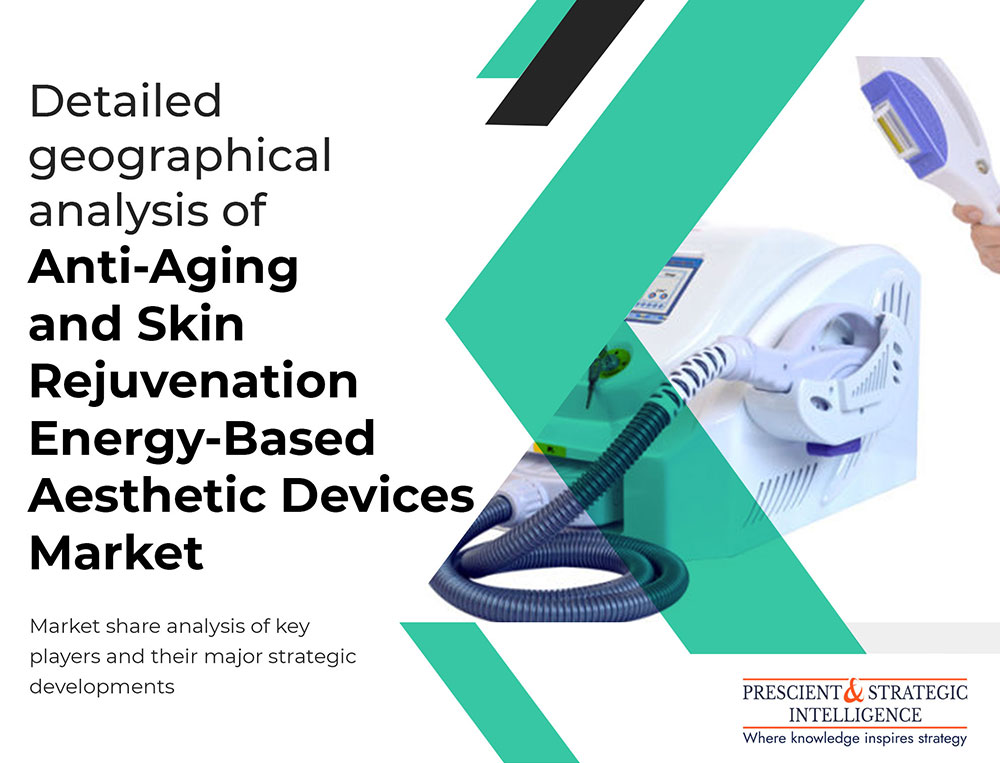
Anti-Aging and Skin Rejuvenation Energy-Based Aesthetic Devices Industry is Growing Rapidly

The anti-aging and skin rejuvenation energy-based aesthetic devices market is on the way of constant growth, and the scenario will continue like this in the years to come as well, as stated by a market research professional, P&S Intelligence.

The incessant technical development and increasing acceptance of energy-based aesthetic devices have improved the emphasis of manufacturers on affordable and easy-to-operate products, which can be put to use at homes without any tech- expertise.

These are a few progressions in energy-based aesthetic devices, trending and enticing customers, by this means having a strong impact on the anti-aging and skin rejuvenation energy on the basis of aesthetic devices.

Worldwide, the elderly populace plays a fundamental role in raising the requirement for anti-aging energy-based aesthetic devices. Aging is related to the loss of fibrous tissue and decreased vascular and glandular network in the skin layers, leading to wrinkles, pigmentary alteration, dryness, and sagging of the skin.

Anti-aging devices support in decreasing the visual effects aging of the skin by energizing and skin tightening, giving a younger look, which is the main reason these are progressively put to use by the elderly.

India and China, will have a larger geriatric population as opposed to the U.S., Australia, France, and Canada. 

As per the UNDESA, the number of people aged 60 years or more would reach, 324 million in India, 437 million in China, 107 million in the U.S., and 58 million in Brazil by 2050.

This growing elderly populace all over the world would bring about an increased acceptance of numerous types of energy-based anti-aging devices, further helping in the growth of the anti-aging and skin rejuvenation energy-based aesthetic devices market in the near future.

On the basis of indication, skin rejuvenation will be the faster growing category in the market. This is as a result of the fact that energy-based processes offering safe treatments that are too economical; hence, women and men are turning toward these treatments for improving their appearance. 

The laser-based category was the market leader in the past. Laser is among the earliest energy-based technologies accepted in appealing treatments for aging signs, rejuvenation of the skin, and other uses, for example double chin fat reduction, fine line removal, acne removal, reduction of the wrinkles, and vascular lesion removal. 

Because of all these factors, this will continue with highest revenue in the market in the years to come.

Due to the growing preference of easy to use and affordable products, the demand for anti-aging and skin rejuvenation energy-based aesthetic devices will continue to grow in the years to come.

Share:

Endoscope Industry Is Driven by the Growing Incidence of Chronic Diseases

The endoscope industry is experiencing growth, according to P&S Intelligence. In the coming few years, North America is projected to hold the largest market share. This can be credited to the rising elderly populace, increasing occurrence of chronic illnesses, and growing count of hospitals in the continent. Also, the existence of key industry players, continuous technological improvements, and refining healthcare facilities will ease market development.

To learn more about this report: https://bit.ly/3qpGenK

The rising cases of chronic diseases, including respiratory illnesses, and cardiovascular illnesses will boost the need for progressive endoscopy equipment in the near future. The Heart Disease and Stroke Statistics 2018 statement of the American Heart Association (AHA) stated that the U.S. witnessed 836,546 CVD demises, which was reported for about one in every three demises in the nation.

Also, as per the 2017 estimations of the Canadian Cancer Society, cancer was the major reason of death in Canada, and closely one in four people expired from it, which amounted to 30.2% of the demises in the nation.

Other major factors of demise in Canada are cardiovascular disease, accidents, and chronic lesser respiratory syndromes. The growing cases of such conditions are causing an increase in the volume of endoscopy events, therefore driving the endoscope industry development.

On the basis of type, the esophagoscope category held the largest share in the industry for endoscopes because of the huge occurrence of chronic illnesses and the high emphasis on their initial finding and treatment.

On the basis of application, the gastroenterology category will experience the fastest development in the coming few years. This can be credited to the rising occurrence of pancreatitis, colitis, colon polyps, and peptic ulcers. Also, the growing count of colorectal cancer cases will fuel the development of this category.

On the basis of end-user, the hospital category holds the largest endoscope market share. This is mainly due to the growing count of hospitals throughout the world, where a substantial count of endoscopy procedures is performed.

North America is the biggest user of endoscopes and is projected to advance with a market share of more than 47.7% in the coming few years. This can be ascribed to the quick technological growth, presence of key market companies, huge count of hospitals, better-quality healthcare infrastructure, high occurrence of chronic diseases, and a huge population of aging people.

In North America, the U.S. dominated the endoscope market because of the growing cases of gastrointestinal and respiratory illnesses, the rising elderly populace, and the rising count of hospitals.

Hence, the rising cases of chronic diseases, including respiratory illnesses, and cardiovascular illnesses are the major factors contributing to the growth of the endoscope market.

Share:

Latin America Fracture Management Industry was Dominated by Metallic Category

The Latin America fracture management market will reach USD 1,002.9 million by 2030, powering at a rate of 5.1% in the years to come. The industry growth has a lot to do with the high occurrence of osteoporosis, increasing elderly population, high frequency of road accidents, and growing count of knee and hip replacement surgeries.

On the basis of type, the internal category will have a faster growth in the years to come, as stated by P&S Intelligence. This would mostly be as a result of the high frequency of road injuries and severe bone fractures. 

Moreover, the significantly higher cost of internal fracture management products, for example screws and plates, supports the domination of the category.

The metallic category dominated the market. This was mostly because of that fact that screws, plating systems, hip plates, and other plating system accessories are made of stainless steel or surgical steel or other metals.

Brazil dominated the Latin America fracture management market in the recent past, and it will also grow the fastest in the years to come in the years to come. The increasing elderly population and growing count of osteoporosis and other orthopedic ailment cases are the key factors behind the ascendency of the nation on the industry.

The use of bioabsorbable implants in surgical processes is becoming popular in in the industry, with a growing emphasis on the acceptance of tech advanced healthcare products. Progressions in polymer science have brought about by the production of implants with the mechanical strength required for these kinds of procedures.

There is a high risk of fractures in the elderly. With the growing age of people, their bones’ mineral density reduces. This is chiefly difficult in post-menopausal women. When combined with the dominant issues of unsteady balance and vision-related problems amongst older people, the fracture risk further surges in this population.

It is because of the increasing elderly population, the demand for the fracture management market will continue to grow in Latin America in the years to come.

Share:

Brazil Is Dominating the Latin American Physiotherapy Tapes and Bandages Industry

The Latin American physiotherapy tapes and bandages market, is experiencing growth and is projected to reach USD 39.8 million by 2030, according to P&S Intelligence.

This growth can be ascribed to the surge in the occurrence of chronic illnesses, the high occurrence of sports wounds and road accidents, the increase in the count of awareness events started by private and public establishments, and the product's lucrative nature and easy obtainability in the LATAM region.

Based on product, the LATAM physiotherapy tapes and bandages industry has been divided into bandages, tapes, and others. Between these, the tapes category is projected to lead the industry in the coming few years.

As per the World Health Organization (WHO), the demise rate per 100,000 individuals because of road accidents was 21.5% in Colombia, 24.8% in Ecuador, 40.8% in Venezuela, 20.2% in Brazil, 13.4% in Argentina, 13.7% in Peru, and 10.2% in Chile in 2018.

Road accidents move to severe wounds and fractures, which need operations. Additionally, postop care commonly includes physiotherapy, to overcome or decrease the impacts of the disability instigated by accidents.

Aftercare exercise is commonly carried out utilizing physiotherapy bandages, which offer relief from discomfort, thus resulting in the development of the LATAM physiotherapy tapes and bandages industry.

The growing count of physiotherapists plays a vital role in the development of the LATAM physiotherapy tapes and bandages industry. As specified by the World Confederation for Physical Therapy, as of 2019, there were around 350,221 physical therapists in the region.

Among these, Brazil had approximately 250,000 working physiotherapists, Peru had 5,000, Mexico had 4,861, Chile had 30,360, and Colombia had 29,483. Hence, the growing count of physiotherapists is boosting the need for physiotherapy tapes and bandages in the region.

Hence, the surge in the occurrence of chronic illnesses, high occurrence of sports wounds and road accidents, increase in the count of awareness events started by private and public establishments, and the product's lucrative nature and easy obtainability in the LATAM region are the major factors propelling the market.

Share:

Follow Me

Powered by APSense.com

Follow Me

Follow on LinkedIn

Followers

Total Pageviews

Popular Posts

Recent Posts

Label Cloud