Global Industry News

What is Meant by Efficacy Testing with Regards to Pharmacology?

Upon hearing the word efficacy, the first thought is that it is something to do with something reaching a desired goal. This is true as well, but the meaning of a word changes with context.

In this blog, we will talk about the word efficacy testing in medical and pharmaceutical field. Let us see if, and how the meaning of the word efficacy is different in the world of healthcare and pharmacology, then what its standard meaning indicates. And what exactly is meant by the word efficacy testing.
Let us dive deep into the world of efficacy testing: 

What is Meant by Efficacy in Healthcare?

If we talk about healthcare, the efficacy of a product to give out therapeutic benefits is discovered. Interventions that might be explored comprise drugs, surgical procedures, medical devices, and public health interventions

The intervention is seen in comparison with other interventions accessible at the efficacy is established if the novel intervention is as a minimum as good as the other available options. Typically, these comparisons are made in random clinical trials.

What Efficacy means in Pharmacology?

In the context of pharmacology, efficacy defines the utmost response that can be attained by a drug. The upshot of the drug is plotted against dose in a graphical representation, for providing the dose–response curve.

The increment in the doses used are exhibited by the X axis and the half maximal and maximal responses are showed by the Y axis. The highest point on the curve displays the efficacy and is denoted to as the Emax.

The efficiency of a drug is considered in two different ways, “method effectiveness” and “use” effectiveness.

Talking about method effectiveness, it refers to the maximum response achieved, when a drug is taken by a person exactly as it was prescribed by a medical professional. On the other hand, use effectiveness defines the response, which is attained when it is put to use under specific circumstances, when adherence to the medication might not be 100%.

The use effectiveness which is measured throughout “intention to treat” examination of clinical studies is every so often biased as opposed to the findings attained when method effectiveness is put to use.

What is Meant by Efficacy Testing?

As we mentioned in the beginning that this blog is not about efficacy but efficacy testing, so now let’s see how the efficacy of a drug or a procedure can be tested.

Evaluating drug efficacy early during the process of development can come good for the identification of sources of possible drug resistance, and the results of drug efficacy should offer a precise measurement.

Coming to a Conclusion

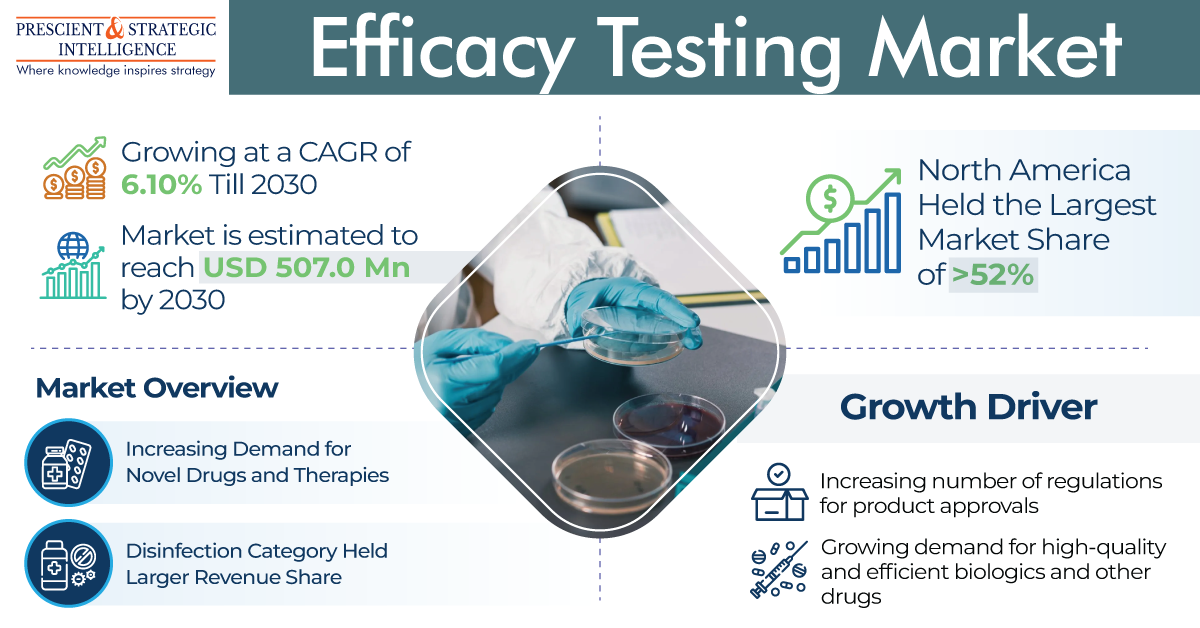
It is important to measure the efficacy of a drug or a procedure to find out how effective can be a drug or a procedure for a patient. It is due  to the growing demand for high-quality and efficient biologics and drugs, the demand for efficacy testing will continue to increase in the future, to reach USD 507 million by the end of this decade.

Share:

The Magic of Skin Boosters: Unlocking Your Skin's Radiance

In the past few years, these pioneering skincare treatments have got popularity for their capability to refresh and revitalize the skin. Whether you are having fine lines, dryness, or a lacklustre complexion, skin boosters provide a suitable solution.

The skin booster market is experiencing growth and is projected to reach USD 2,304 million by 2030.

What are Skin Boosters and Their Applications?

Skin boosters are progressive beautifying treatments made to acutely hydrate and feed the skin from within. They characteristically contain hyaluronic acid, a naturally produced material in our bodies that supports maintaining wetness levels. Skin boosters are inserted into the deeper coatings of the skin, stimulating collagen creation and refining elasticity. Not like outdated dermal fillers that aim at precise areas, skin boosters offer an all-over development, advancing total skin quality and radiance.

The Advantages of Skin Boosters 

Skin boosters provide an extensive variety of advantages for numerous skin concerns. Primarily, they offer strong hydration, creating them suitable for fighting dry skin. By refilling the skin's moisture reserves, they restore a strong, plump appearance and reduce the advent of fine lines and wrinkles.

Additionally, skin boosters advance skin consistency and tone, reducing the presence of acne scars and other skin deficiencies. They encourage a childlike glow, leaving your skin looking revitalized, fresh, and radiant.

Another benefit of skin boosters is their ongoing impacts. While separate results might vary, the enhancements gotten by skin boosters can last for numerous months. Moreover, they can be utilized in combination with other skincare treatments to advance their total effectiveness, making them a multipurpose option for people looking for complete skin rejuvenation.

Reduce Signs of Aging

Skin boosters offer a versatile solution to many issues. Not only do they help in providing tightness and lift to the skin, but they also reduce the appearance of visible fine lines and wrinkles, which appear due to dry papery skin. They are often preferred in areas like the face, neck, decolletage, and hands.

The Procedure

The skin booster treatment procedure is comparatively easy and slightly invasive. It starts with a discussion with a skincare expert who will evaluate your exact requirement and modify the treatment according to that. In the process, the skin booster solution is cautiously inserted into aimed areas or consistently distributed across the whole face, liable on your wanted outcome. Mild uneasiness or momentary redness can happen, but such effects typically diminish within a few days, letting you continue with everyday activities.

Aftercare and Maintenance 

To enhance the outcomes of your skin booster therapy, it is important to follow an appropriate aftercare routine. This characteristically includes dodging extreme sun exposure, utilizing mild skincare items, and remaining sufficiently hydrated.

It is also vital to uphold a reliable skincare routine and visit any suggested follow-up appointments to guarantee the durability of the results. Moreover, accepting a healthy lifestyle, such as a stable diet and consistent exercise, can further help the general health and appearance of your skin.

Skin boosters are certainly an extraordinary addition to the land of skincare treatments, providing a complete solution to numerous skin concerns.

Share:

Multiparameter Patient Monitoring Systems Market is Led by the Portable Category

The multiparameter patient monitoring systems market generated a value of USD 9,789.2 million in 2022, and it will touch USD 17,950.8 million, advancing at a 7.9% compound annual growth rate, by 2030.

The growth of the industry can be because of the rising incidence of chronic sicknesses, the growing count of surgical processes, and the mounting need for early illness diagnosis.

Moreover, hospitals are growingly concentrating on monitoring the conditions of patients at each treatment stage, which has resulted in the increasing implementation of real-time monitoring systems for patients to help in making suitable clinical decisions.

In 2022, the hospitals category, based on end user, accounted for the dominating share in the industry, of approximately 70%. This can be attributed to the fact that an enormous count of patients with chronic illnesses, injuries, or any other medical emergencies visited hospitals each day.

North America accounted for the dominating share in the industry. This can be because of the existence of a strong healthcare system, advancement in technologies, high expenditure on healthcare facilities, high occurrence of illnesses, growing count of surgical processes, and rising consciousness of the people concerning effective management of disease.

APAC will advance at the highest rate in the years to come. This is because of the high progression in the economy, rising consciousness of constant health monitoring, unfulfilled medical requirements of the vast populace, and the growing per capita income.

It is because of the surging occurrence of chronic illnesses, the mounting number of surgeries, and the increasing need for early disease diagnosis, the multiparameter patient monitoring systems industry will continue to advance in the years to come.

Share:

Amniotic Products Market Is Driven by Increasing Treatment of Skin and Eye Disorders

The total value of the global amniotic products market was USD 810.4 million in 2022, and it will rise at a growth rate of above 8.7% shortly, reaching USD 1,451.2 million by 2030.

The growth of the industry is ascribed to the continuing research to enlarge the application area, utilization of these products for the treatment of eye and skin illnesses, and increasing prevalence of traumatic wounds and injuries because of burns, as well as the rising consciousness about the usage of amniotic products for their treatment.

The growth in the count of individuals with burns is a major contributor to the market development. This is because of the increasing requirement for amniotic membranes because of the high occurrence of burn wounds.

Furthermore, these accidents lead to considerable physical and emotional damage which ultimately fuels the market. With nearly 9 million wounds and a projected 120,000–180,000 demises per annum, these wounds place a substantial load on the worldwide population. Most of these fires take place in emerging and developing countries, with over two thirds occurring in Africa and Southeast Asia.

In the recent years, North America dominated the sector, with a revenue share of more than 60%. The key contributors to the regional industry development are the existence of key market competitors and deep-rooted healthcare amenities. During the forecast period, the growing attention being given to substitute technologies is projected to further boost the sector’s development in the region.

Hence, the amniotic products market is propelled by the wide research being carried out in this area and the growing occurrence of burns and surgical injuries.

Share:

Ultrasound Probe Covers Industry is Led by North America

The ultrasound probe covers market was USD 203.1 million in 2022, which will touch USD 358.9 million, advancing at a 7.4% CAGR, by 2030.

The growth of this industry is primarily because of the growing consciousness among medical professionals regarding infection control and the increasing requirements to avoid infection during ultrasound imaging.

In 2022, the disposable category, based on type, was the larger contributor to the industry, with over USD 190 million. This can be mainly because of its cost-efficiency as well as the capability to reduce the possibility of infection or disease spread among patients.

The latex category, based on product type, accounted for the larger share, and it will further advance at a 7% CAGR, in the years to come. This can be because latex protective sheaths are usually more inexpensive as compared to others as well as are easily obtainable primarily in emerging nations with limited healthcare facilities.

North America is leading the industry. This can be because of the rising accessibility of medical reimbursements for ultrasound measures and the ultrasound technology's non-invasive nature coupled with its capability to present real-time images.

Moreover, the existence of key companies as well as the increasing count of hospitals and diagnostic centers in the region is also helping the progression of the regional industry.

APAC is advancing at the fastest rate. This can be mainly attributed to the mounting population, the advancement in different ultrasound diagnostic procedures, and the enhancing healthcare facilities in the region.

With the increasing requirement to avoid contamination during ultrasound imaging, the ultrasound probe covers industry will continue to grow in the years to come.

Share:

North America Is Dominating Needle-Free Injection Systems Industry

The total value of the global needle-free injection systems market was USD 151.0 million in 2021, and it will rise at a growth rate of above 13.3% shortly, reaching USD 466.2 million by 2030, according to P&S Intelligence. This growth can be ascribed to the globally increasing diabetic populace, which produces high requirements for self-injection devices; growing occurrence of needlestick wounds; and fear of needles among individuals.

In the coming few years, prefilled needle-free injection devices are projected to advance with a faster CAGR, of above 14%. This can be credited to the fact that the majority of such prefilled syringes are automatic, lessening the danger of physical handling and guaranteeing a safer use. Furthermore, the U.S. is the largest revenue generator in the prefilled needle-free injectors market, because of the large diabetic and chronic illness patient base in the nation.

Moreover, such advanced systems aid patients to lessen the danger of infection or human-caused dosing mistakes. Because of the above-mentioned factors, the demand for prefilled needle-free injectors is growing throughout the globe.

The surge in needlestick wounds is expected to drive the demand for needle-free injectors. Such injectors lessen the danger of needlestick wounds and aid patients overcome needle fear. They also limit the transmission of communicable illnesses by evading cross-contamination. Needlestick wounds can reason contagious illnesses like Hepatitis-B, HIV-AIDS, and Hepatitis-C. To lessen the cases of contagious illnesses, needle-free injection systems have grown in popularity.

In recent years, the jet-based technology generated the largest revenue share in the needle-free injection systems market, and the category is also projected to maintain its dominance with a CAGR of approximately 14% in the future well. This growth can be credited to its advantages, such as less time being taken on preparing and managing the medicine, fewer needlestick wounds, ease in usage and aesthetics, and a less chance of illness spreading.

In recent years, reusable needle-free injection devices held a higher revenue share in the industry. This can be credited to the feature of refilling injectors for numerous uses. On the other hand, disposable needle-free injectors are projected to advance faster in the near future. This is because of the disposable feature of such needles that evade needlestick wounds and cross-contamination.

In the past few years, the North American needle-free injection systems market generated the highest revenue share of more than 40%, and the continent is also projected to remain dominant in the future as well. This can be credited to the existence of sophisticated healthcare infrastructure, a high level of patient knowledge, the surge in cases of chronic illnesses, and high research and development expenditure on needle-free injection technologies.

Hence, the globally increasing diabetic populace produces a high requirement for self-injection devices; a growing occurrence of needlestick wounds; and a fear of needles among individuals. 

Share:

Medical Peer/External Physician Review Services Market is Powered by the Increasing Number of Hospitals

The U.S. medical peer/external physician review services market will grow significantly by the end of this decade. The key reasons behind the increasing requirement for such services are the snowballing existence of medical negligence and malpractice, presence of structured peer review guidelines, increasing count of hospitals and active doctors, and lack of internal proficiency to execute the procedure.

In this sort of a review, the medical conduct of a healthcare center or a physician is examined by an external doctor, in case allegations of negligence or malpractice are made by a patient.

Currently, the major trend is the acquisition of corporations offering this kind of services by one another. 

The main goal of such moves is the growth of the service portfolio and revenue increment. For example, in January 2020, Concentra Inc. took over the Riverview and Arrowood Medical Centers in Rock Hill, South Carolina, and Charlotte to increase their client base.

A rewarding prospect for the industry is the rising healthcare industry in the nation. With the continuous increase in the populace, particularly of the elderly and the people covered under numerous insurance plans, the requirement for healthcare services is on the rise. 

For example, the Bureau of Labor Statistics reports that by 2026, more than 91,400 physicians would be needed to cater to the increasing population of patients in the country. 

Therefore, as the doctor count rises, for meeting the rising medical services requirement of the thriving populace, the count of entities and people conducting review services will also increase in the U.S. in the future.

It is for the increase in the number of hospitals in the U.S., the requirement for medical peer/external physician review services is on the rise. This demand will only grow in the years to come.

Share:

Nom-Powdered Gloves Trending in Medical Gloves Market

The medical gloves market will advance at a rate of 10.8% by the end of this decade, to reach USD 20,435.6 million by 2030. The growth of the industry has a lot to do with the growing risk of infectious ailments, growing elderly populace, soaring healthcare spending, mounting incidence of chronic ailments, and increasing number of surgeries.

On the basis of application, the examination category, was the leader of the industry in the past, and it will grow faster in the years to come as well. This would be because of the growing number of examination procedures, already higher than the count of surgical procedures.

The non-sterile category had the larger share in the past, and it will continue its ascendence in the industry, on the basis of sterility. This is because of the increasing use of non-sterile gloves for medical examinations.

While, the sterile gloves will have a faster growth faster growth by the end of this decade as a result of the rising cases of COVID-19 and easy obtainability of sterile gloves in a various size.

The direct category had the share in the medical gloves market in the past, and it will continue its supremacy in the future.

As per the U.S. Department of Health and Human Services statistics, 1 in 13 persons suffered from asthma in 2019. Furthermore, there were 14.8 million new cases of COPD amongst adults in 2018.

Customers are more in favor of non-powdered medical gloves and not powdered ones due to the non-allergic properties of the non-powdered alternative.

This is trending because of the starch in powered gloves, offering better hand movements and prevention from sticking to each other throughout packaging. Though, the starch can lead to allergic reactions while execution of surgeries. Furthermore, the easy obtainability of non-powdered gloves at a reasonable cost is enhancing their demand.

Rising healthcare spending all over the world is directly proportional to the growing demand for medical gloves.

Share:

Portable Minimally Invasive Surgery Simulators Market was Led by the Endoscopic Category

The portable minimally invasive surgery simulators market will grow at a 13.9% rate by the end of this decade to reach USD 479.9 million by 2030. 

To learn more about this report: https://bit.ly/3thfBSY

The development of this industry is because of the increasing consciousness concerning the advantages of simulation-based learning, prevalent acceptance of laparoscopic simulation systems, tech progressions in portable MIS simulators, fast digitization of the healthcare sector, and rising requirement for minimally invasive treatments.

Medical training centers will have the fastest growth of 15.9% by the end of this decade, accompanied by holding the largest share. This is because of the growing requirement for simulation-based training because of the absence of trained professionals.

North America portable minimally invasive surgery simulators market had the largest share of 30.5%. This was mostly as a result of the early acceptance of cutting-edge technologies by major players of the market along with end users. The growing count of collaborations amid market players and healthcare associations and increasing healthcare spending are the other key influences powering the growth of the industry.

In the recent past, VR trainers have been presented for skill development in MIS techniques. The precise hand–eye coordination and psychomotor skills needed for MISs can be acquired with the use of VR simulation techniques. 

It is because of the rising awareness with regards to the benefits of simulation-based learning, the demand for portable minimally invasive surgery simulators will continue to grow in the future.

Share:

Ligases Enzyme: The Molecular "Glue" That Holds Life Together

DNA ligase is an enzyme that joins DNA strands through the formation of phosphodiester bonds in a process called DNA ligation. The bond in double-stranded DNA is formed by joining the 5′ phosphate and 3′ hydroxyl termini of DNA strands, using ATP as a coenzyme.

The discovery and characterization of DNA ligase enzymes occurred in 1967 by several laboratories, including Lehman, Gellert, Hurwitz, and Richardson labs. This finding was critical for developing and introducing the concept of molecular cloning and several other future biology experiments.

The ligases enzyme market is experiencing growth and projected to reach USD 631.7 million by 2030.

What Are Ligases Enzymes?

Ligases are a kind of enzymes accountable for catalyzing the creation of bonds between molecules, precisely among two adjacent atoms. Their role is important in numerous cellular procedures, from DNA copying and repair to the fusion of proteins and other vital molecules.

Stitching DNA Strands

One of the most vital tasks done by ligases is in the area of DNA copying and repair. During cell separation, DNA should be fully replicated to guarantee the hereditary information is passed on exactly to the next gen of cells. Ligases play an important role in this procedure by filling the gaps between the afresh created DNA fragments known as Okazaki fragments. If ligases are not present, then the DNA strands will remain uneven and the hereditary code would be incomplete.

DNA Repair Mechanisms

Ligases also have an important role in DNA repair mechanisms. When DNA is injured because of many reasons such as chemicals, radiation, or faults during copying, ligases step in to fill the gaps. Such enzymes aid in filling the gaps or notches in the DNA backbone, guaranteeing that the hereditary data stay safe. This repair procedure avoids changes and maintains the constancy of the genome.

Protein Synthesis

Furthermore, to DNA-associated purposes, ligases are intricated in protein synthesis. Amino acids, the building blocks of proteins, are combined together by peptide bonds. Ligases aid catalyze the creation of such bonds during conversion, the procedure by which the hereditary code from DNA is rendered into functional proteins. Without ligases, proteins cannot be made, and the involved machinery of life would stop to function.

Applications

Ligases enzymes are not only important in genetic systems but also find working in many technical and manufacturing procedures. Genetic biotechnology and engineering depend on ligases to separate DNA from diverse sources, making recombinant DNA molecules that have transformed drug, farming, and more. Ligases also play a role in the making of certain medicines and the mixture of biofuels.

Inhibition and Medicinal Implications

Understanding ligases has also unlocked gates to medicinal improvements. Constraining specific ligases can be a strategy for directing diseases. For example, cancer cells commonly have augmented DNA repair action, creating them resilient to treatments such as chemotherapy. By aiming the ligases intricate in DNA repair, scientists target to deteriorate cancer cells and surge the effectiveness of treatments.

Share:

Revolutionizing Health Care with Ambulatory Infusion Pumps in North America

The North American ambulatory infusion pumps market is driven by the rising occurrence of chronic illnesses, growing elderly populace, growing diabetic populace, and growing demand for ambulatory services, and also the market is projected to reach 1,989.8 million by 2030.

Ambulatory Service Demand Rising Rapidly

The increasing elderly populace and growing stress on healthcare establishments due to the growing count of patients afflicted with all types of illnesses are significantly boosting the popularity of ambulatory facilities in the continent. This is also credited to the less prices of such services and their higher suitability compared to orthodox hospital facilities.

Therefore, the number of ambulatory surgical centers in the U.S. has significantly amplified in the last few years. The adoption of ASCs can also be ascribed to the quicker recovery, lesser infection danger, shorter stays, and innovative technologies they provide.

The U.S. has a huge share, of more than 90%, because of the obtainability of key companies, rising occurrence of chronic illnesses, developed healthcare infrastructure, and promising reimbursement plans. Moreover, the growth in the count of healthcare locations and the availability of home infusion services drive the industry's growth.

What is an Ambulatory Infusion Pump (AIP)? 

An Ambulatory Infusion Pump (AIP) is a compact battery-energized pump that gradually puts drugs, like antibiotics or chemotherapy, into your body. The pump gives you the drug for the period set by your doctor.

The Benefits of Ambulatory Infusion Pumps

Patients with a lengthy or chronic disease help from ambulatory pumps as they eliminate limits that keep them confined. Ambulatory pumps let hospitalized people do self-care tasks, exercise, and walk to diverse areas of the facility for healthcare facilities, a change of scene, or while spending time with visitors.

Similarly valued for home care locations, ambulatory infusion devices aid in fighting patient depression and other mental health problems related to chronic health problems. For elder adults, mobile pumps can play a very important role in upholding independence, whether elderly in place or an aided living or residential care setting.

These devices are quite light in weight this ability allows them to be clipped to clothing or worn in a dedicated pouch, making them perfect for non-hospitalized patients who can contribute to daily activities but still need routine doses of IV medicines, such as insulin.

Ambulatory pumps help patients between buildings, floors, or facilities much simpler for nurses and other healthcare workers. The pump and medicine can simply travel with the patient without disturbing the current programming or requiring scheduled transport around infusions.

What Are Stationary Infusion Pumps?

Stationary infusion pumps are mainly Utilized bedside for patients with intricate medicinal requirements, needing frequent medication delivery. Though they’re sometimes utilized in-home care, they're most common in hospitals, particularly critical care settings, and long-term care amenities with mostly incapacitated residents.

Hence, the rising occurrence of chronic illnesses, growing elderly populace, growing diabetic populace, and growing demand for ambulatory service are the major factor propelling the market.

Share:

Why is Secondary Packaging Changing the Pharmaceutical industry?

Secondary packaging is the external packaging of the primary packaging that packages and protects or labels the drug. This blog will lay emphasis on secondary packaging and the significance of selecting a supplier, well equipped for handling a product’s exclusive and tailored packaging requirements.  

Secondary packaging is important for numerous reasons, as well as physical and protection of barriers, secondary containment, observance to guidelines, and patient safety.

Request for sample pages of this report: https://bit.ly/3rqZj9A

Common sorts of secondary packaging comprise trays, cartons, and film bundles. Though secondary packaging can undertake numerous forms, it will continuously comprise a packaging level within it. Characteristically, the level of packing a customer will see first is secondary packaging; this brands the advent of secondary packaging pretty significant.

Secondary packaging for clinical trials can numerous forms, contingent on the main package it will house. One primary package used in the pharma industry is called a blister strip.  These are fundamentally two coats of material sealed with a cavity amid the product layers. 

Additional instance of secondary packaging put to use in both clinical trials and a carton. Folding cartons such as shipping cases are made of moderately thin paperboard rather than cardboard. 

Folding cartons can contain numerous diverse primary packages. Cartons can have vials, blisters, bottles, or any form of primary packaging that will fit inside. Cartons are helpful for clinical work as they can be reproduced on while in-procedure, they can be labelled, and they will characteristically resemble the final profitable packaging configuration as per the client. 

For the similar reasons, cartons are likewise inordinate for commercial packaging. Artwork can easily be pre-printed on cartons, making them a prevalent choice for nearly all secondary packaging uses.  

Secondary packaging has a big role to play in display, distribution, and branding. Throughout distribution, these packages protect the main packages and the product. 

This kind of packaging produces a buffer, shielding primary packages from one another. It lets for a shipping case to be completely filled, so products do not shift throughout shipment. The geometric nature of cartons lets for the tertiary package to be close-fitting fit. 

Cartons are likewise easier to deal with than vials, so packing or emptying of shipping containers can be done a lot more smoothly than the one with no secondary packaging.

Although a key benefit of secondary packaging is transportation, it has an important role to play daily, mainly, the protection of the primary package and product. 

Because secondary packages are frequently handled by customers, they must guard the product when consumer mistreats the package. When a glass vial is kept in a folding carton, it significantly diminishes the chance that the key package or product will be damaged.

Cartons also have a key impact on branding and product display.  Making use of a vial and carton formation as an instance, the carton is the slightest sellable unit. This means the procurer will see the box and not essentially see the vial. 

It is because of the increasing production of drugs, the demand for biologics CDMO secondary packaging, the demand for the same will reach a value of USD 3,622.6 million by the end of this decade.

Share:

How do Medical Power Supplies Help Protect Patients and Hospital Staff?

In medical technology, the safety of hospital staff and patients has a top priority. Because of this, medical power supplies are subject to stringent needs regarding safety, dependability, and EMC. In this blog, you will find out how medicinal technology can advantage of the experience added in machine building and system making.

Power supplies have to change voltage as securely and professionally as possible while guaranteeing smooth operation over many years and in the smallest of spaces. Although this is a principle that applies to medicinal technology and machine building alike, it is the industrial engineering sections where standard power supplies that fulfill such needs are much more widespread. Ultimately, this means that medical equipment makers are commonly dependent on a customised rack or panel-mount power supplies.

Medicinal applications in building technology, hospital technology, imaging diagnostics, and laboratory technology in particular stand to benefit from high industrial standards and fast obtainability when it comes to energy supplies.

The global medical power supply market is witnessing growth and is projected to reach USD 2,394.5 million by 2030.

Types of Medical Power Supplies

Power supplies are segmented by the mechanism utilized to alter and transfer the input energy to the output power. For medical power supplies, there are two main segmentations:

Linear power supplies accept AC inputs and deliver one or more than one DC output for an extensive range of industrial and computer applications. They utilize an active element (generally a power transistor) working in its linear region to produce an anticipated voltage. The output voltage is controlled by putting surplus input power in ohmic losses (heat) in a series dissipative component (resistor) or an electronic transistor. Linear power supplies offer very small ripple, excellent regulation, and very little output noise.

Switching power supplies utilize a switching component or regulator (generally a power transistor) to produce the suitable voltage. They are also known as switch-mode items or switching-mode power supplies (SMPSs). Such power supplies include electronic components that constantly switch OFF and ON at a very high frequency.

This switching action connects and detaches power-storing devices (capacitors or inductors) to and from the input source voltage or the output load. SMPS design outcomes in high electric density (smaller size for the same power output) and decreases power consumption (higher effectiveness) in comparison to linear power supplies.

Protection against Overheating

Extremely effective power supplies provide another benefit in that they permit passive convection cooling, something that has become the standard for energy supplies in machine building and system engineering. Given that a smaller amount of heat is produced in the power supply overall, it can degenerate from the unit through a cooling airflow and the aluminum housing. This means that the units do not need fans to eliminate the warm air – a feature that works across the entire power range.

The key drivers of the medical power supply industry include the growing occurrence of chronic illnesses, the rising demand for medical equipment, and the growing use of development tactics by top companies, such as product launches and collaborations.

Share:

Dentures are Too Much to be Overlooked as a Teeth Substitute

Are you one of those old blokes who have their teeth fallen or decayed with age, or a person who met with an accident or got your teeth damaged or lost. Well, which ever may be the case, if you want to get your teeth restored, it is possible with the contemporary dentures. There has been a lot of evolvements in dental science, and now you don’t have to be content with the dentures, that your grandfather used to wear.

This blog will talk about the different types of dentures, and what they can do for you.

First let us discuss about, what exactly are Dentures?

These are removable devices, coming in handy for replacing missing or decaying teeth. Many have got the wrong info that dentures won’t look like original teeth. Though, the truth is very much different, modern dentures just look and feel like the original teeth.

Look and Feel of the Modern Dentures

Modern dentures, apart from looking just as the normal teeth help you perform routine activities, such as eating, speaking, and chewing without hassle, also restoring the beautiful smile. They can come in handy for those who don’t  have sufficient natural teeth. They can help protect the remaining teeth from any cracks or damage. If properly maintained, dentures can serve for a lifetime.

Different Types of Dentures Available

Removable Full Dentures

These can easily fit in your mouth and taken out, when they are done doing their duty for the day or just for usual maintenance, such as cleaning. Though, there can be a chance for you to experience bone loss in the jaw area if your teeth are removed, in order to fit in removable dentures. 

If and when this happens, it can be tad hard for you to naturally fit the dentures in your mouth, but worry not, a dentist can always come to the rescue.

Partial Dentures

Choosing partial dentures is just fine, if a few missing or decayed teeth are to be put back in place, alone with the remaining natural teeth can play a supportive role for these dentures. These are good enough to bridge the gaps in the remaining teeth.

Implant Supported Dentures

These are perhaps the most-advanced version of dentures going around. Titanium-made dental implants are surgically implanted into the jawbone for keeping the dentures intact. 

Implant supported dentures are a permanent solution for decayed or lost teeth. Also, there is absolutely no risk of bone loss as you wear them, neither there is a need for realignments or any sort of adhesives, for preventing them to stay in their place.

You can choose the most suitable dentures as per your requirement and budget, and most importantly after consulting an ace dentist.

These are some common types of dentures going around the world. With the growing elderly population, and increasing number of dental problems, the demand for restorative dentistry is booming, and the total value of the industry is set to reach USD 25, 608 million by 2030.

Share:

North America is Dominating Molecular Quality Controls Market

In 2022, the molecular quality controls market was worth around USD 191.2 million, and it is projected to advance at a 6.4% CAGR from 2022 to 2030, hitting USD 313.7 million in 2030.

This growth can be ascribed to the rising need for external quality assessment provision, the increasing number of qualified clinical labs, the rising government investment for genomics ventures, the snowballing utilization of third-party quality controls, the rising requirement for accurate medicines, the declining price of the sequencing process and hereditary illnesses.

In 2022, the independent controls category led the industry, with the largest revenue share, of approximately 40%, based on product type.

This can be credited to the fact the that they are made independently of reagents, calibrators, and instruments, and tests have the extreme sensitivity rate because of their tremendously unbiased, independent, and sensitivity assessment of a testing system's or technique's performance.

In 2022, North America generated the highest revenue, at approximately 45%. This is because of the high integration of advanced infrastructure, the better number of diagnostic amenities, and the amplified number of authorized clinical labs in the continent.

The second-largest revenue contributor, in the market, is Europe, worldwide. This is mainly because of the snowballing number of cancer research and related biomarkers and the increasing occurrence of cancer.

Hence, the rising need for external quality assessment provision, the increasing number of qualified clinical labs, the rising government investment for genomics ventures, the snowballing utilization of third-party quality controls, the rising requirement for accurate medicines, are the major factors propelling the market.

Share:

Cardiac Safety Services Industry Has a Considerable Revenue Share in Europe

The cardiac safety services industry will grow at a compound annual growth rate of 11.5% by the end of this decade, to touch a value of USD 1,792 million by 2030.

This growth of the industry is due to the fact that these services provide assistance in supporting and designing clinical trials and other researches needed to monitor cardiac health and are emphasized on monitoring a wide-ranging cardiac protection profile across diverse phases of clinical testing.

With the increasing ill heart health, related to a sedentary lifestyle and unnatural eating habits, numerous health education campaigns and programs are initiated for improving consciousness regarding heart diseases.

The cardiac safety services market in the Europe had considerable revenue share in the past, and it will grow at a rate of around 11.4% in the years to come. 

This is mostly credited to the advanced healthcare infra and high healthcare investment. For example, Germany, the U.K., France, and Switzerland, have an advanced healthcare industry, as a result of which new tech and diagnostic procedures are more often used in the Western part of Europe. 

Further, the rapidly increasing percentage of an aging population and the increasing life expectancy in central and eastern European countries are driving the demand for healthcare solutions.

Increasing healthcare investments happening all over the world has a positive impact on the demand for cardiac safety services, and this trend will continue in the years to come as well.

Share:

How is Next Generation Sequencing (NGS) Technology Applied in Gynecological Cancer Diagnostics?

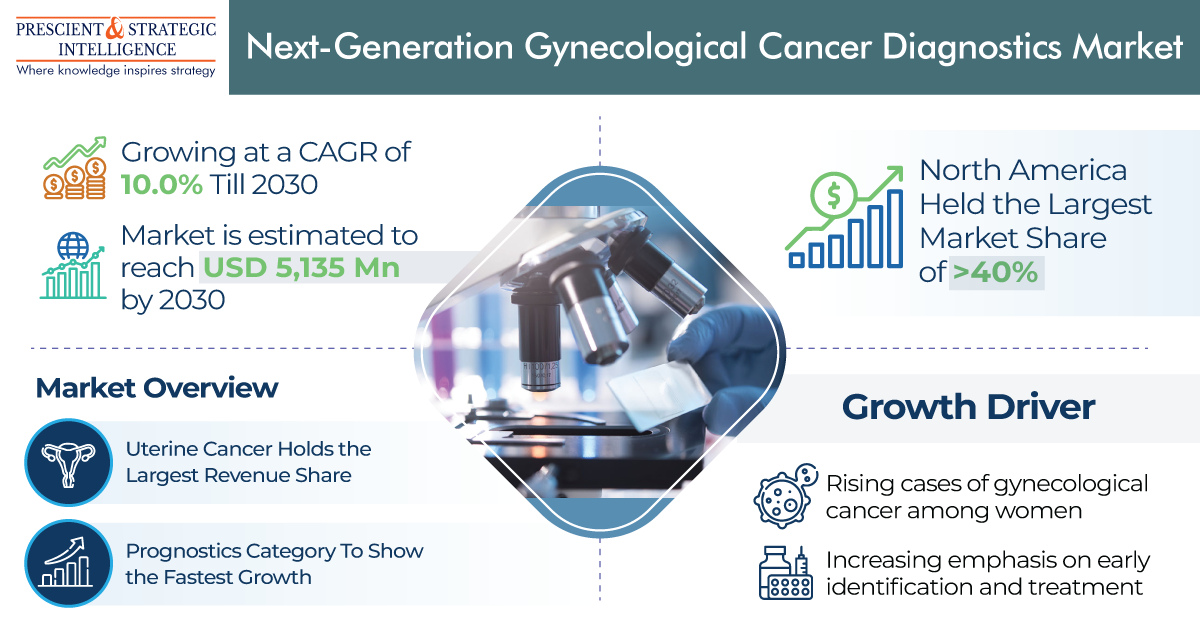
The field of next-generation gynecological cancer diagnostics is experiencing continuous growth due to various factors such as the rising incidence of diabetes, increasing prevalence of gynecological malignancies, obesity in women, lifestyle changes, and menopause problems.

Advancements in sequencing technologies have empowered researchers and clinicians to gain insights into underlying mutations associated with gynecological cancers, leading to the discovery of biomarkers that guide targeted therapeutic decisions.

These diagnostic tests also enable early detection of cancers and other diseases, as well as accurate prognosis, which contributes to the future growth of the next-generation gynecological cancer diagnostics sector.

Uterine, cervical, and ovarian cancers are the most common gynecological cancer types in females globally. These cancers result from acquired and inherited mutations, epigenetic factors, genomic aberrations, transcriptional aberrations, or a combination of these factors. A comprehensive understanding of genomics, molecular substructure, and gynecologic cancers is essential to develop effective biomarkers for detection, prevention, molecular profiling, and personalized treatment strategies.

Next-generation gynecological cancer diagnostics play an important role in controlling, preventing, and investigating cancerous diseases.

Uses Case of Next-Generation Gynecological Cancer Diagnostics

Next-generation gynecological cancer diagnostics are used for the detection of various cancers, including ovarian, uterine, vulvar, cervical, and vaginal cancer.

Among these, the utilization of these diagnostics for uterine cancer is particularly high and continuously increasing. This is due to the rising global incidence of uterine cancer, driven by factors such as increased menopause issues after age 55, higher prevalence of high blood sugar levels and blood pressure, the aging female population, rising rates of obesity and overweight, and elevated estrogen levels.

Furthermore, the utilization of these diagnostics for cervical cancer is expected to increase in the future, considering the growing prevalence of cervical malignancies in women worldwide.

Application of Next-Generation Sequencing (NGS) Technology

Next-generation gynecological cancer diagnostics employ technologies such as polymerase chain reaction (PCR), next-generation sequencing (NGS), and DNA microarrays.

NGS technology is particularly prominent in this field, as it can identify actionable genetic alterations that can be targeted with therapy. NGS demonstrates a 33.4% chance of identifying gynecologic cancers and exhibits a high clinical action rate. The clinical utility of NGS has also been shown to improve survival in individuals who receive targeted treatment.

Additionally, NGS plays an important role in tumor analysis and has greatly facilitated the molecular profiling of solid tumors.

DNA microarrays technology is also increasingly utilized in this context. These microarrays provide a powerful and advanced approach to studying the molecular basis of relationships on a scale that conventional methods cannot achieve.

Furthermore, they enable the simultaneous assessment of the expression of thousands of genes, leading to the development of rationale approaches for therapy, as well as advancements in gynecological cancer diagnosis and prognosis. As a result, DNA microarrays find wide application in hospitals and diagnostic laboratories.

Hence, with the advancements of technology in healthcare, developing infrastructure of healthcare, implementing advanced and rapid diagnosis of diseases, and mounting investment by both domestic and foreign businesses across Asian countries, the demand for next-generation gynecological cancer diagnostics will continue to increase, and it will reach a value of USD 5,135 million by the end of this decade.

Share:

How Are Genomics Research Projects Driving Microfluidic Devices Demand?

The microfluidic devices market will reach USD 59,785.3 million, advancing at a 17.3% compound annual growth rate, by 2030.

To learn more about this report: https://bit.ly/3OYmHDh

The growth of the industry is attributed to the increasing technological advancements pace and the extension of genomic and proteomic research. Various commercial applications and scientific activities can benefit from methods that allow swift and cheap experiments with a high sensitivity level.

With the advancements in the field of biotechnology recently, several microfluidic technology applications have been identified, such as drug discovery, next-generation sequencing, point-of-care diagnostics, biomarker analysis, and cell analysis. Businesses are developing enhanced devices for numerous applications that have a smaller size, a lesser cost, and a higher sensitivity & speed.

In recent years, North America accounted for the largest industry share, and it will remain the largest in the years to come. This is because of the speedy acceptance of advanced technologies by the major users in the region. In addition, the increasing research & development activities and the existence of key players will boost the growth of the industry, particularly in the U.S.

China is one of the fastest-growing microfluidic devices industry in APAC because of the growing government investment and developing facilities of healthcare. Therefore, the APAC microfluidic devices industry will arise as an attractive industry for businesses producing such medical instruments.

Whereas, the Europe industry is driven by the growing requirements for diagnosis, because of the enhancing facilities of healthcare and the increasing prevalence of illnesses; itself because of the elderly population and lifestyle changes.

It is because of the extensive analytical application and commercial prospects of these devices, as well as the growing life science sector, the microfluidic devices industry will continue to grow in the years to come.

Share:

How are Medical Devices and IVD Medical Devices Different from Each Other?

Medical devices and IVD medical devices have come in handy for saving the lives of the people with the help of state-of-the-art healthcare solutions for the finding out, treating, monitoring, predicting, or reducing the ill effects of a disease. 

Difference Between Medical Device and IVD medical Device

If we are to talk about the major difference between a medical device and an IVD medical device is that the latter are tests put to use on biological samples like, tissues, urine or blood to regulate the status of the health of a person.

IVD medical devices do not come in contact with a person.  These fulfil their role based on info that is offered by them and not on their action on the patient.  Although IVD devices do not bring about direct harm, they might pose risks if their usage brings about wrong diagnoses and puts people at increased risk of making irreversible medical decisions based on imprecise test results.

So, it is significant that IVD medical devices prove safety and efficiency through diagnostic and clinical validation.

To be precise, the IVD medical device is any medical device which is a reagent, instrument, apparatus, equipment, software or system, whether it is used alone or in combination with some other device, to be used for the inspection of specimens, as well as blood and tissue donations, derived from the human body.

There are more than 40,000 different IVD products available offering info to both patients and doctors regarding various medical conditions. These include tests for pregnancy, which are done on your own and tests for diabetics, to sophisticated diagnoses done in labs.

There are also some of the other IVD devices like HIV tests, human genetic testing devices, those used for blood grouping, or COVID tests.

IVD Medical Devices Make an Integral Part of Modern Healthcare

IVDs have become an integral part of modern healthcare since there are a lot of decisions, which are influenced by the results of the tests, done with the help of these devices. 

With allowing earlier and targeted treatments, IVDs reduce the duration of hospital stays for the people and also side-effects, which result in much improved health condition of the people, reduced costs of healthcare.

Coming to a Concrete Conclusion

In conclusion, it can be said that IVD medical devices guide users to the right healthcare professional and can reduce the time taken to get the final diagnosis, which is every so often related with expensive diagnostic procedures.  So, doctors can make faster and precise diagnostic decisions and consequently advance the path of the treatment of the patient and decrease the cost incurred in treatment.

There are increasing cases of blood disorders all over the world, and for the diagnosis of the same, there is a need for IVD tests to be performed. Due to this, the demand for IVD tests will continue to increase in the future also, and will reach a value of USD 127.4 billion, in another seven years from now.

Share:

How Automated Dispensing Machines Will Help in Increasing the Safety of Patients?

Every hospital tries its best to improve the safety of patients, and this thing can be done in many ways. Human errors in dispensing wrong medication can pose a serious threat to patient safety, and so in this blog, we will focus on the role of automated dispensing machines in improving the safety of patients.

Automated dispensing machines, are advanced decentralized medication distribution systems. They offer measured storage, dispensing, and tracking of pharma drugs, and are extensively used in hospitals.

Before automated dispensing machines came into existence, 24-hour dose carts were generally used in hospitals. These curtailed inventory losses since they only did a day’s worth of medication, but they were labour-intensive and not that efficient as well. 

They posed risks to patient safety by snowballing problems with missed doses and the borrowing of medications of the patients. New, automated ones are far more secure and efficient at the same time.

How They Increase Safety of the Patients?

Reducing Unfitting Use of High-Risk Medicines

Hospitals can make use of automated dispensing machines for keeping a track of the administration of risky medications. Every time a medic orders a dose, the machine asks numerous questions about its use, letting it to collect data on the subject. This can then be analyzed to see if medics are recommending possibly dangerous medications in a way that surges risks to patients.

Discards Unused Doses

Hospitals are busy, so it is not uncommon to see the happening of administrative errors. Doctors prescribe medications, as they are required which every now and then become difficult on floors using 24-hour dose carts. 

These automated dispensing machines let doctors to access patient medications given on an as-required basis when they are demanded and track of when patients get these important medicines to guarantee their providers are abiding best pharma practices.

Providing the Medications, as Soon as they are Available

First-dose accessibility was an issue with the old 24-hour dose carts. Patients had to wait till they received their medicines from a drugstore as opposed to getting them as soon as they were required. With the help of automated dispensing machines, hospitals can retain all often-used medications close at hand for instant access even throughout emergency state of affairs or after pharmacy hours.

Increasing the Focus of Patient Care

These machines reduce the workload for both healthcare providers and pharmacists. Accordingly, these specialists can give more time to directly take care for patients and executing supplementary safety initiatives.

Coming to a Concrete Conclusion

Automated dispensing machines are altering the method that hospital administrators think pertaining to medication stowage and dispensing. They advance patient safety, ease for doctors and pharmacists, and hospitals.

It is because of the increasing cases of medication errors happening all over the world, the demand for automated dispensing machines is on the rise, and the total value to touch USD 3,941.9 million, in the next seven years of so.

Share:

Follow Me

Powered by APSense.com

Follow Me

Follow on LinkedIn

Followers

Total Pageviews

Popular Posts

Recent Posts

Label Cloud